
Deepen school–enterprise cooperation and build industry–education integrated enterprises.
Release Date:
2022-05-19
To deepen university–enterprise cooperation, strengthen the alignment of supply and demand, expand employment channels and job opportunities for graduates, and effectively enhance the quality of applied‑innovation‑oriented talent development, on the morning of May 17, Zhang Suqin, Secretary of the Party Committee of Lüliang Vocational and Technical College, led a delegation to Pengfei Group for an in-depth symposium.
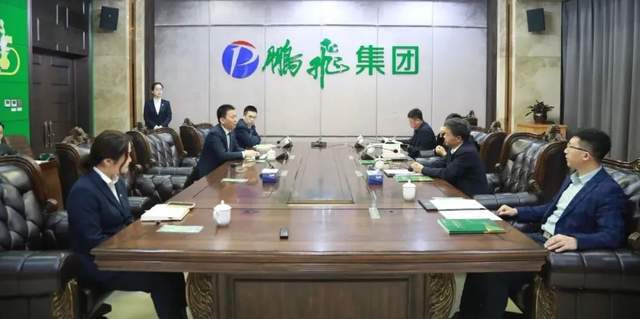
To deepen university–enterprise cooperation, strengthen the alignment of supply and demand, expand employment channels and job opportunities for graduates, and effectively enhance the quality of applied‑innovation‑oriented talent development, on the morning of May 17, Zhang Suqin, Secretary of the Party Committee of Lüliang Vocational and Technical College, led a delegation to Pengfei Group for an in-depth symposium.
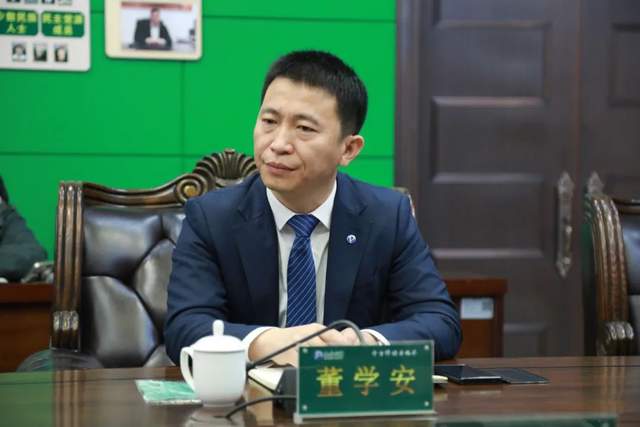

At the meeting, Director of Human Resources Dong Xue’an and Training Manager of the Human Resources Department, Hu Fan, provided a brief report on Pengfei Group’s talent recruitment and training efforts and outlined the company’s needs.
Human Resources Director Dong Xue’an
The Shengda Coal Washing Plant serves as a practical training base for cultivating talent in coal washing and beneficiation. Could the university consider leveraging this platform to provide us with intellectual resources, thereby enhancing the training base’s faculty and refining its process‑design capabilities?
Hu Fan, Training Manager, Human Resources Department
With regard to industry‑specific content and emerging sectors, the university should assess whether it has appropriate faculty and a suitable academic focus aligned with future development needs, fostering integration to help cultivate and identify talent in areas such as hydrogen energy and new energy.
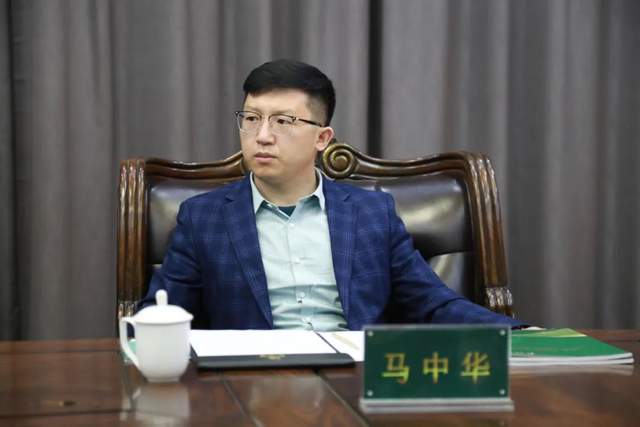
During the visit, Ma Zhonghua, Assistant to the President of Lüliang Vocational and Technical College, along with relevant officials, discussed emerging industry trends and evolving talent‑market demands, and reviewed graduates’ employment outcomes as well as the progress of the college’s collaborative internship‑training program.
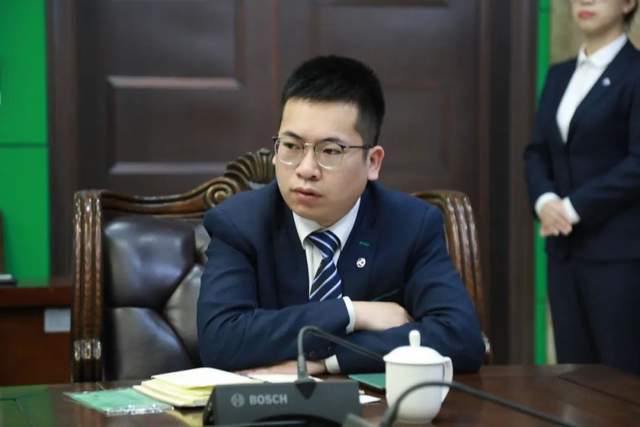
A relevant official from the Human Resources Department outlined enterprises’ demand for technical personnel in fields such as coal mining, chemical engineering, and mechanical equipment, as well as their need for related skills training. In response, Guo Haiyuan, Vice President of Lüliang Vocational and Technical College, proposed corresponding solutions.
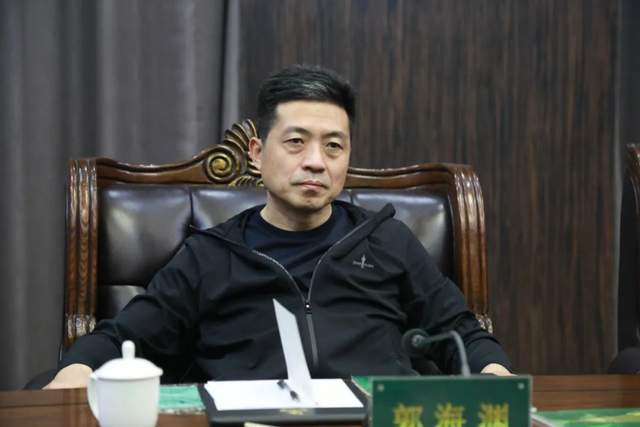
Guo Haiyuan, Vice President of Lüliang Vocational and Technical College
On the one hand, enterprises should organize skills‑enhancement training for their employees during non‑working hours; on the other hand, in accordance with the requirements of the Department of Education, they must earnestly advance the initiative to build a “skills‑based society where everyone holds a certificate.” Schools, in turn, can tailor various training programs—such as those for coke‑oven operators and porcelain‑furnace operators—to meet enterprise needs, thereby comprehensively elevating the competencies of enterprise personnel.
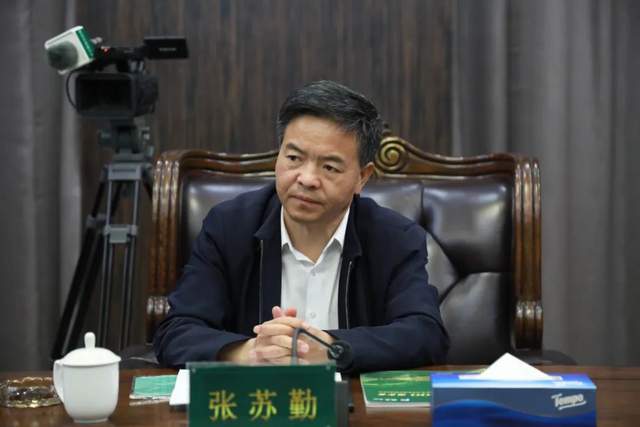
Zhang Suqin, Secretary of the Party Committee of Lüliang Vocational and Technical College
Zhang Suqin hopes that universities and enterprises will strengthen their integration and jointly pursue development, deepening and refining industry–education collaboration to foster positive synergy among industry, academia, and research, and to achieve a win-win outcome for universities, enterprises, and students.
He also stated that the collaboration between the school and Pengfei is multifaceted and holds great potential for the future. From the perspective of faculty development and building a team of dual‑qualified instructors, the school is both willing and in need of hiring skilled artisans like Bai Qinglong as part-time teachers. This approach helps foster a professional environment on campus and provides students with enhanced workplace training in both their specialized fields and practical experience.
Related News

Address: Intersection of Zhenxing Street and Zhonghe Road, Xiaoyi City, Shanxi Province

Mobile version of the website

Official WeChat Public Account
